
September 2026: How to Invest: The Complete Educational Video Series
Five videos of our How to Invest series are now up: the method, what makes a company good, how to compare it with its peers, and both ways to work out what a stock is worth. Free to watch, no sign-up. Plus what changed on the platform in August.
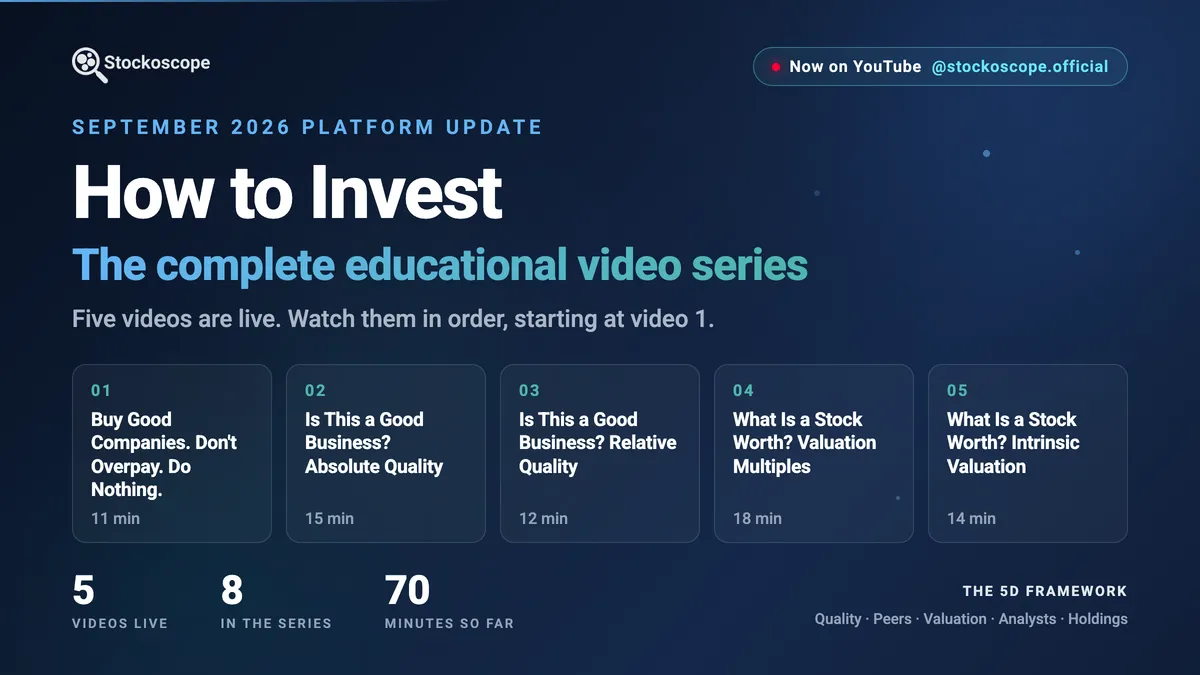
This month's update is a bit different. We spent most of August making an educational video series on how to invest.
Five of the eight videos are now up on our YouTube channel, so instead of a list of features, here is what each one covers and who it's for. Terry Smith of Fundsmith describes his whole investment approach in three lines: buy good companies, don't overpay, do nothing. It's probably the simplest investment method there is, and it's the one we follow. The hard part is knowing what "good" means, what overpaying looks like, and how to tell. That's what the series is for.
1. Buy Good Companies. Don't Overpay. Do Nothing.
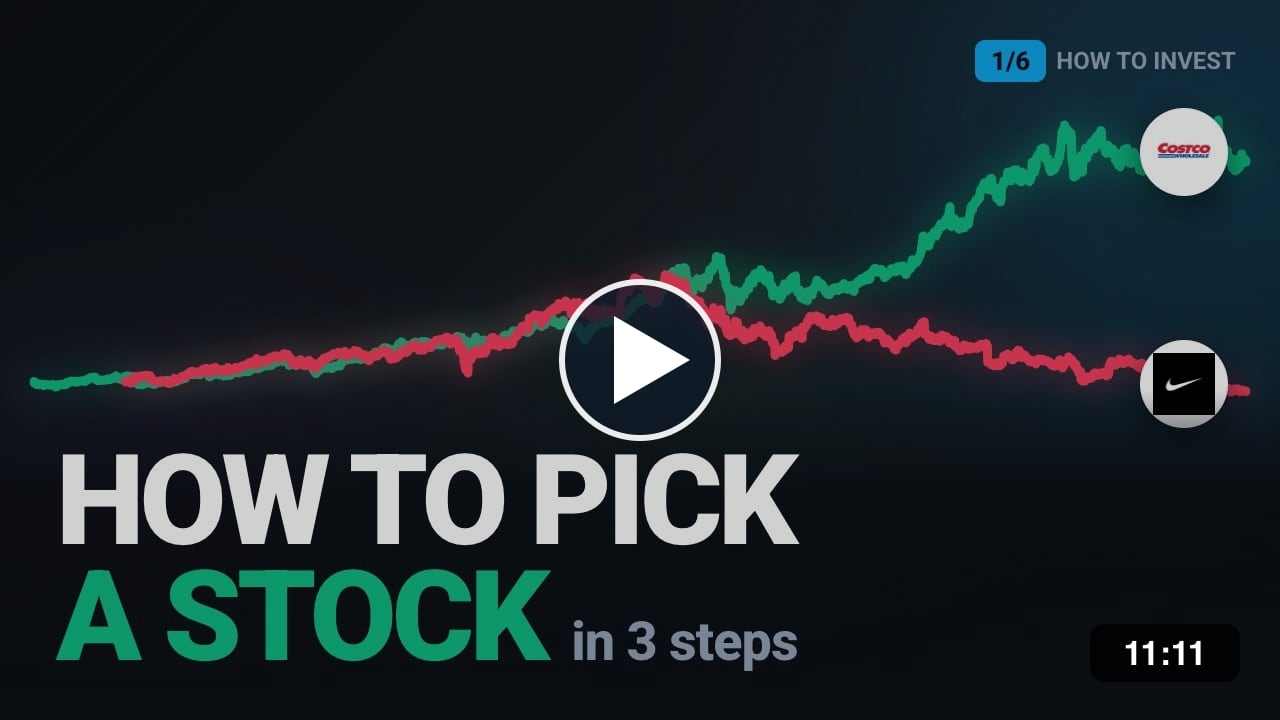
If you have ever wondered how to pick a stock, start here. This video introduces the method, using ten years of real numbers from Costco and Nike to show why those three steps decide most of what you get out of a stock. It's the first in the series of eight we are producing.
2. Is This a Good Business? Part 1, Absolute Quality
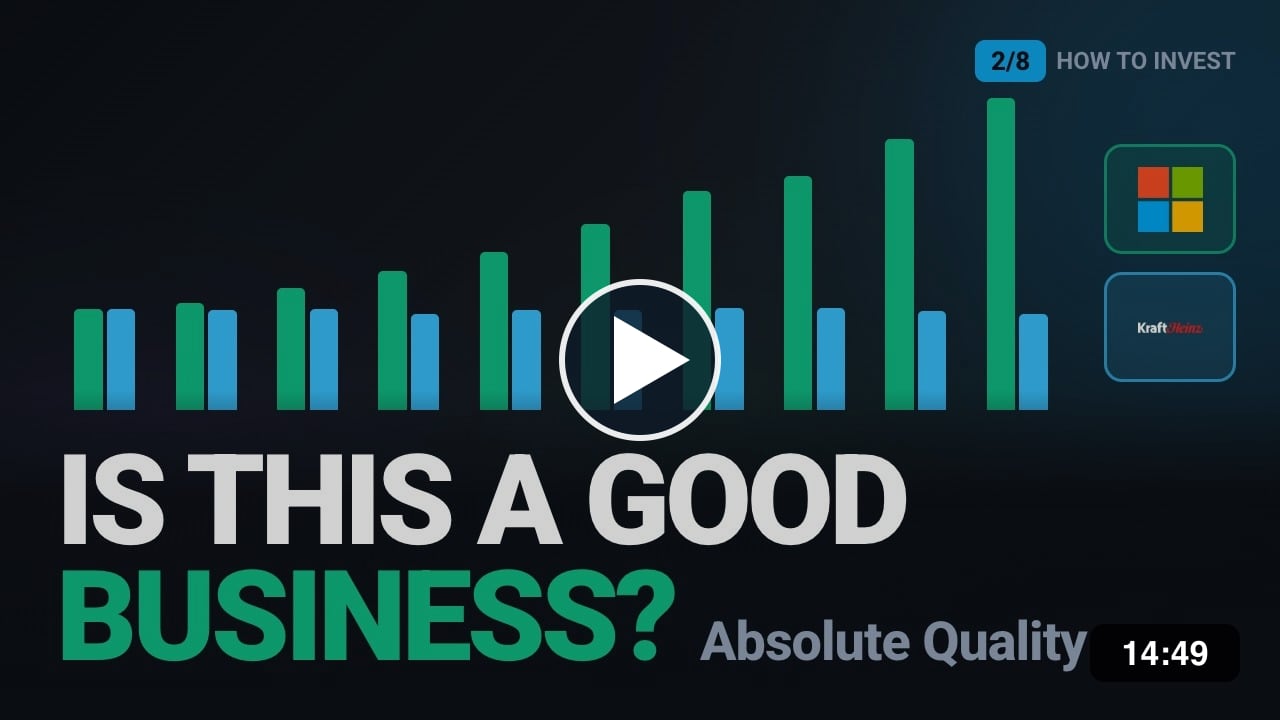
The first step, in detail. What actually makes a company "good"? We break it down into ten questions and answer each one with ten years of real data from Microsoft and Kraft Heinz, so you can see a good answer and a poor one side by side.
3. Is This a Good Business? Part 2, Relative Quality
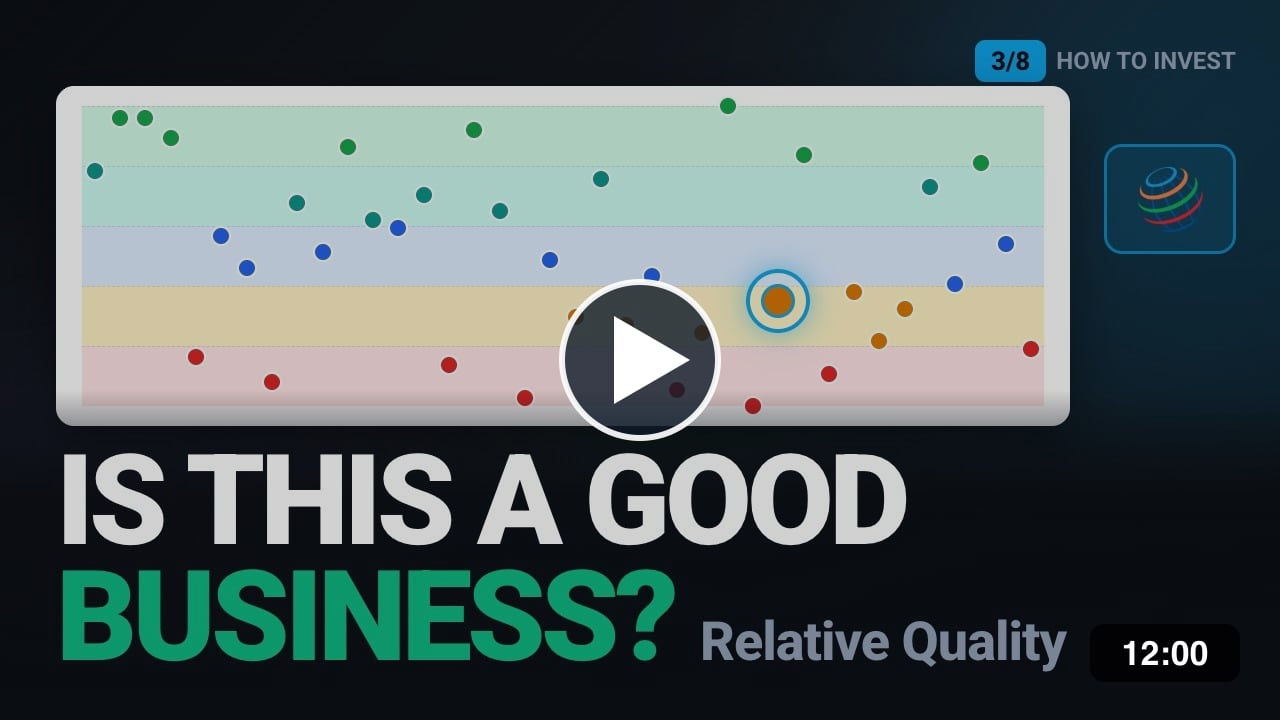
"Buy good companies", but good compared to what? Part 1 judged every company against the same fixed bar. This video takes the relative approach instead, using PepsiCo as the example and comparing it with the 37 large US consumer staples companies it actually competes with. It complements the threshold approach, and it has one real advantage: it lets you take the industry into account. A margin that's ordinary for a software company can be exceptional for a food company.
4. What Is a Stock Actually Worth? Part 1, Valuation Multiples
The first three videos were about buying good companies. Now the second step: don't overpay. This is the first of two videos on it, and it covers valuation multiples. What a P/E or an EV/EBITDA actually measures, how to read them, and how to turn a multiple into a price you can compare with the one on your screen. Apple is the main example.
5. What Is a Stock Actually Worth? Part 2, Intrinsic Valuation
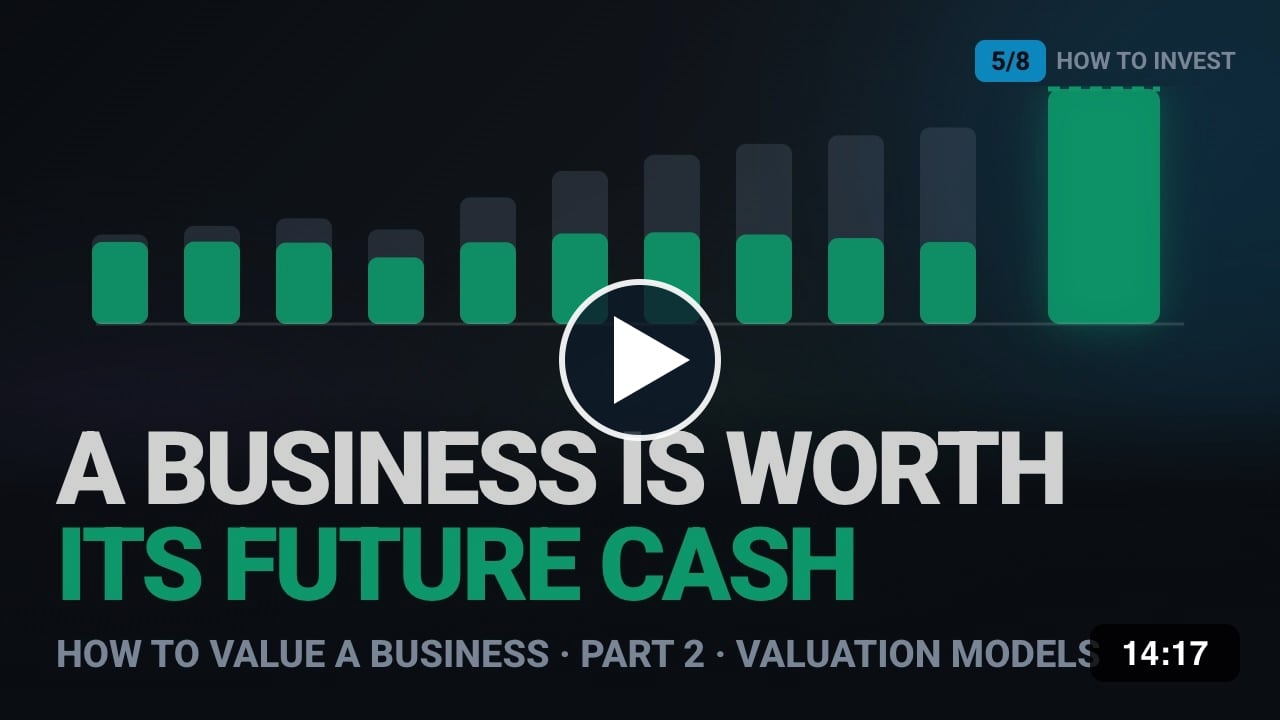
This one is about intrinsic valuation, and specifically DCF (discounted cash flow). If you've ever wondered how a DCF works but found it hard to follow, this video breaks it down step by step. It builds the model from scratch, runs it on Apple's reported figures, and explains why the answer is a range and not a single number.
Watch and Share
We have put a lot of work into this series, and it's free to watch for everyone. No sign-up, no paywall. If you find it useful, please share it with a friend or a colleague who has been meaning to start investing but doesn't know where to begin. Three more videos are on the way, so subscribe to the channel and you won't miss them.
Also in August
- We rebuilt the Holdings tab. Insider selling is now shown against the company's own usual pace, institutions are counted by how many are adding versus reducing, and each notable trade shows what share of the insider's stake it was.
- Dividend streaks are counted properly. They now come from what a company pays per dividend rather than what lands in a calendar year. Realty Income's 32 years of increases used to show as one year. That's fixed, and 206 companies' streaks got longer.
- REITs on the Dividend strategy. Real estate names are now measured on funds from operations instead of earnings.
- SEC filings on every stock page. Each page now links to the company's latest 10-K, 10-Q and 8-K on sec.gov.
- Valuation multiples, side by side. The multiple cards on the Valuation tab (P/E, P/B and the rest) used to show one implied price large and the other two small. All three now sit side by side, each with its own colour, so you can see where they agree and where they don't.
- Cards on mobile. Strategies and Screener results now come as cards, and on a phone the controls sit in a bottom sheet, so the first ranked stock is on your first screen.
The Founding window closed on 31 August. Thank you to everyone who took it up. Pro is $15 a month or $150 a year, and every signup starts with a 14-day trial, no card needed. See stockoscope.com/pricing.
Stay Connected
Follow the platform on X (@stockoscope and @StockoscopeTeam) and our founder (@nav_dhand) for daily research and updates. Join the conversation at r/stockoscope, and subscribe on YouTube for the rest of the series.
We Want to Hear From You
- Which video did you find most useful?
- Is there a company you'd like us to run the whole method on in video 8?
- Are the videos the right length, or would you prefer shorter ones?
Send feedback through the platform or reply to our newsletter. We read every reply, and it shapes what we make next.
Thank you for watching.
Best regards,
Stockoscope Team